
Augmented Reality Promotional Products: Innovation Trends Reshaping Australian Brand Merch
Discover how augmented reality is transforming promotional products in Australia — from interactive merch to AR-powered brand experiences.

Written by
Ingrid Larsen
Industry Trends & Stats
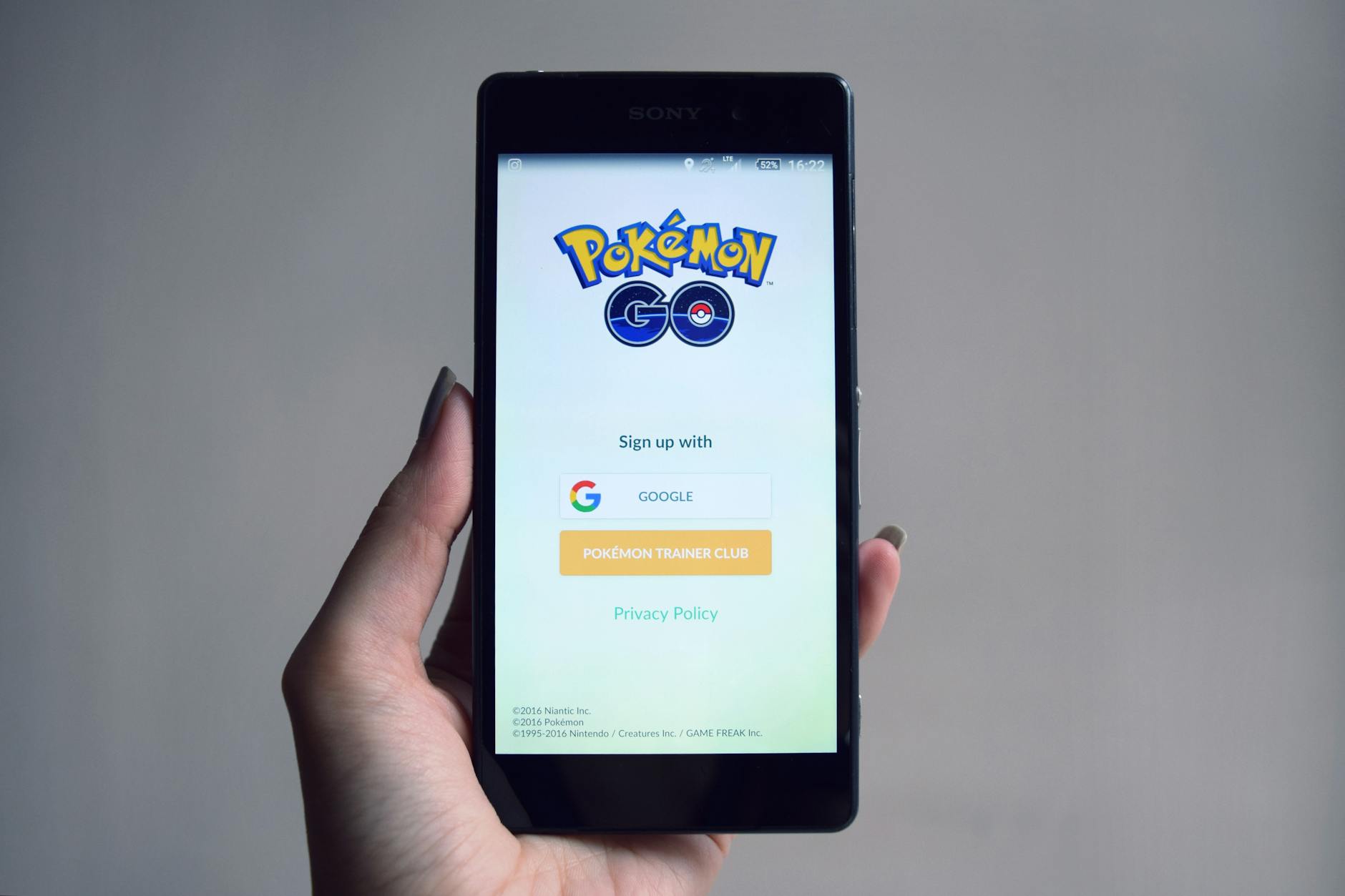
The promotional products industry has always evolved alongside technology — but nothing has disrupted the landscape quite like augmented reality. What was once a novelty reserved for cutting-edge tech companies is now becoming a genuine, accessible strategy for Australian marketing teams, businesses, and sports clubs looking to create deeper connections with their audiences. Augmented reality promotional products innovation trends are no longer a distant forecast; they’re happening right now, reshaping how branded merchandise is conceived, produced, and experienced across Sydney, Melbourne, Brisbane, and beyond.
What Are Augmented Reality Promotional Products?
At its core, augmented reality (AR) overlays digital content — animations, videos, 3D models, interactive elements — onto the physical world, typically viewed through a smartphone or tablet. When you combine that technology with physical branded merchandise, something genuinely exciting happens: a static promotional item becomes a living, breathing brand experience.
Think about a branded notebook that, when scanned with a phone, launches a personalised video message from your company’s CEO. Or a custom t-shirt at a university O-Week event that triggers an animated campus tour on screen. Even a simple promotional tote bag can carry a hidden AR layer that reveals exclusive discount codes, event schedules, or brand storytelling content.
This fusion of physical and digital is often called “phygital” marketing, and it’s quickly becoming one of the most talked-about directions in the promotional products Australia wholesale space.
Why AR Is Gaining Traction in Australian Promotional Campaigns
Audiences Expect More Than a Branded Pen
Let’s be honest — the branded pen has had a good run. But today’s audiences, particularly younger demographics, expect more meaningful interactions with brands. A Gen Z university student at a Brisbane open day or a millennial attending a Perth trade show isn’t just looking for free stuff; they want an experience they’ll share, talk about, and remember.
AR-enabled promotional products deliver exactly that. They transform passive recipients into active participants. When someone points their phone at your promotional t-shirt and watches it come alive with animated content, that moment gets shared — on Instagram, TikTok, Snapchat. Suddenly, your branded merchandise is generating organic social reach you couldn’t buy with a traditional campaign.
Mobile Penetration Makes It Possible
Australia’s smartphone penetration rate sits above 90%, meaning almost everyone your merchandise reaches has the device required to engage with AR content. Most modern AR experiences are WebAR — they launch directly from a browser when a QR code or image trigger is scanned, removing the friction of downloading a separate app. This makes deployment significantly more practical for everyday promotional campaigns.
Measurable Engagement Data
One of the traditional challenges with promotional items for business is measuring their impact. How do you know if someone actually used your branded water bottle or read your tote bag’s message? AR changes this entirely. Every scan generates data — you can track how many people interacted with your AR experience, where they were located, what content they engaged with, and for how long. For marketing teams managing budgets and reporting to stakeholders, this is a game-changer.
Key Augmented Reality Promotional Products Innovation Trends in 2026
Interactive Branded Apparel
Custom apparel is one of the most popular product categories in Australian promotional merchandise, and it’s also one of the most promising for AR integration. Printed or embroidered trigger images — often incorporated seamlessly into the design — can launch AR experiences when scanned.
A Melbourne sporting club, for example, could create custom t-shirt printed merchandise where scanning a logo reveals player profiles, match highlights, or membership sign-up incentives. This approach keeps fans engaged well beyond the event itself. The key from a production standpoint is ensuring the trigger image is print-accurate — which is why working with experienced suppliers on artwork approvals and colour matching matters enormously.
AR-Enhanced Packaging and Gift Products
Premium corporate gifting is evolving rapidly. Items like promotional aromatherapy kits, toiletry kit bags, and curated wellness hampers are being elevated with AR-enabled outer packaging. Imagine a client receiving a gift box that, when scanned, plays a personalised thank-you video or reveals the story behind each product inside.
Similarly, seasonal merchandise like personalised Christmas baubles can incorporate AR triggers that launch festive animations, carols, or even a custom message from the gifting brand — adding genuine emotional resonance to what might otherwise be a generic item.
Smart Drinkware and Reusables
Reusable and eco-conscious products remain among the most sought-after promotional items for Australian businesses. The shift towards sustainable promotional products is real and growing — but sustainability messaging doesn’t always land as powerfully as brands hope when it’s printed in small type on a label.
AR changes this. A branded keep cup or reusable water bottle can be decorated with an image trigger that, when scanned, launches a short video explaining the environmental impact of choosing reusables — showing equivalent plastic bottles saved, or the journey of ethically sourced materials. For brands that genuinely care about their sustainability story, this is an incredibly compelling way to communicate it. The same principle applies beautifully to reusable food pouches and other eco-friendly everyday items.
Tech Accessories as AR Gateways
It might seem almost obvious, but tech accessories are a natural fit for AR integration. Branded phone cases — already a high-engagement product because recipients use them daily — can incorporate AR trigger graphics that unlock exclusive content, loyalty rewards, or interactive brand experiences. Given how often a phone case is seen and touched throughout the day, the potential scan rate for this category is significantly higher than, say, a branded pen sitting in a drawer.
Notebooks and Stationery with a Digital Dimension
Premium stationery items like promotional Moleskine notebooks have long been a staple of corporate gifting because they carry perceived value and daily utility. AR integration adds a powerful new dimension — cover designs can serve as image triggers, launching onboarding videos for new employees, interactive product catalogues for sales teams, or welcome messages for conference delegates.
For a Canberra government department onboarding hundreds of new staff, or an Adelaide university welcoming postgraduate students, an AR-enabled branded notebook is far more memorable than a standard stationery pack.
Practical Considerations for Australian Businesses Exploring AR Merch
Start With a Clear Content Strategy
The physical product is only half the equation — the AR experience itself needs to be genuinely useful, entertaining, or emotionally resonant. Before exploring AR-enabled merchandise, ask: what do we want the person to feel or do after they scan? Define the content goal before selecting the product.
Understand the Technology Options
AR experiences for promotional products typically fall into two categories: image-triggered AR (where a printed graphic or QR code launches the experience) and location-based AR (less common in the merchandise context). For most promotional campaigns, image-triggered WebAR is the most practical and scalable option, requiring no app download from the end user.
Factor in Production and Tech Costs
Integrating AR into a promotional campaign adds a layer of cost beyond the physical merchandise. The digital experience needs to be designed, built, and hosted. That said, as the technology matures, costs are falling. For small business promotional items, simpler AR executions — like a QR code linking to a well-designed video experience — can deliver meaningful engagement without the complexity of full 3D AR builds.
Artwork and Print Accuracy Matter More Than Ever
When the printed trigger image is critical to the AR experience functioning correctly, print accuracy becomes non-negotiable. Work with suppliers who understand PMS colour matching, offer proper proof approval processes, and can guarantee consistent results across a print run. A trigger image that’s slightly misaligned or printed in the wrong colour ratio may not register reliably.
Think About Longevity
AR-linked content can be updated without changing the physical product — a significant advantage over static printed information. A promotional merchandise range for a food and wine festival could have its AR content updated for each annual event, while the physical product design remains consistent. Plan your content hosting strategy and update cycle from the outset.
Industries Leading the Charge in Australia
Across the country, several sectors are early adopters of AR-enhanced promotional merchandise. Automotive brands — particularly dealerships using tools like promotional windscreen sunshades — are beginning to explore how AR can bring product features to life. Health and fitness businesses incorporating promotional massage tools into client gift packs are pairing them with AR instruction guides. And mining and industrial operations distributing promotional first aid kits are experimenting with AR-triggered safety training content.
The throughline is the same across industries: AR turns a single promotional product into an ongoing engagement platform.
Conclusion: Key Takeaways on Augmented Reality Promotional Products Innovation Trends
The intersection of physical merchandise and digital experience is creating one of the most exciting frontiers the promotional products industry has ever seen. For Australian marketing teams and businesses willing to explore this space thoughtfully, the rewards — in engagement, memorability, and measurable data — are substantial.
Here are the key points to carry forward:
- AR promotional products turn passive recipients into active participants, dramatically increasing the engagement potential of standard branded merchandise.
- WebAR technology removes the app-download barrier, making AR experiences accessible to virtually any Australian smartphone user without friction.
- Data and measurability are core advantages of AR-enabled merch — finally giving marketing teams concrete engagement metrics from physical promotional items.
- Print accuracy and artwork quality are more critical than ever when the physical design serves as an AR trigger — partner with experienced, reliable suppliers.
- AR content can be updated without reprinting, making AR-enabled merchandise a flexible, long-term brand communication asset rather than a one-time campaign piece.
- Budget thoughtfully — simpler AR integrations can deliver strong results for smaller businesses, while more complex builds suit larger campaigns with higher distribution volumes.
As augmented reality promotional products innovation trends continue to accelerate through 2026 and beyond, the brands that invest now in understanding this space will be best positioned to create truly unforgettable brand experiences — well beyond anything a standard printed pen could ever achieve.