
Custom Apparel Market Trends in 2026: What Australian Brands Need to Know
Discover the biggest custom apparel market trends shaping Australian businesses and sports clubs in 2026 — and how to stay ahead.

Written by
Ingrid Larsen
Industry Trends & Stats
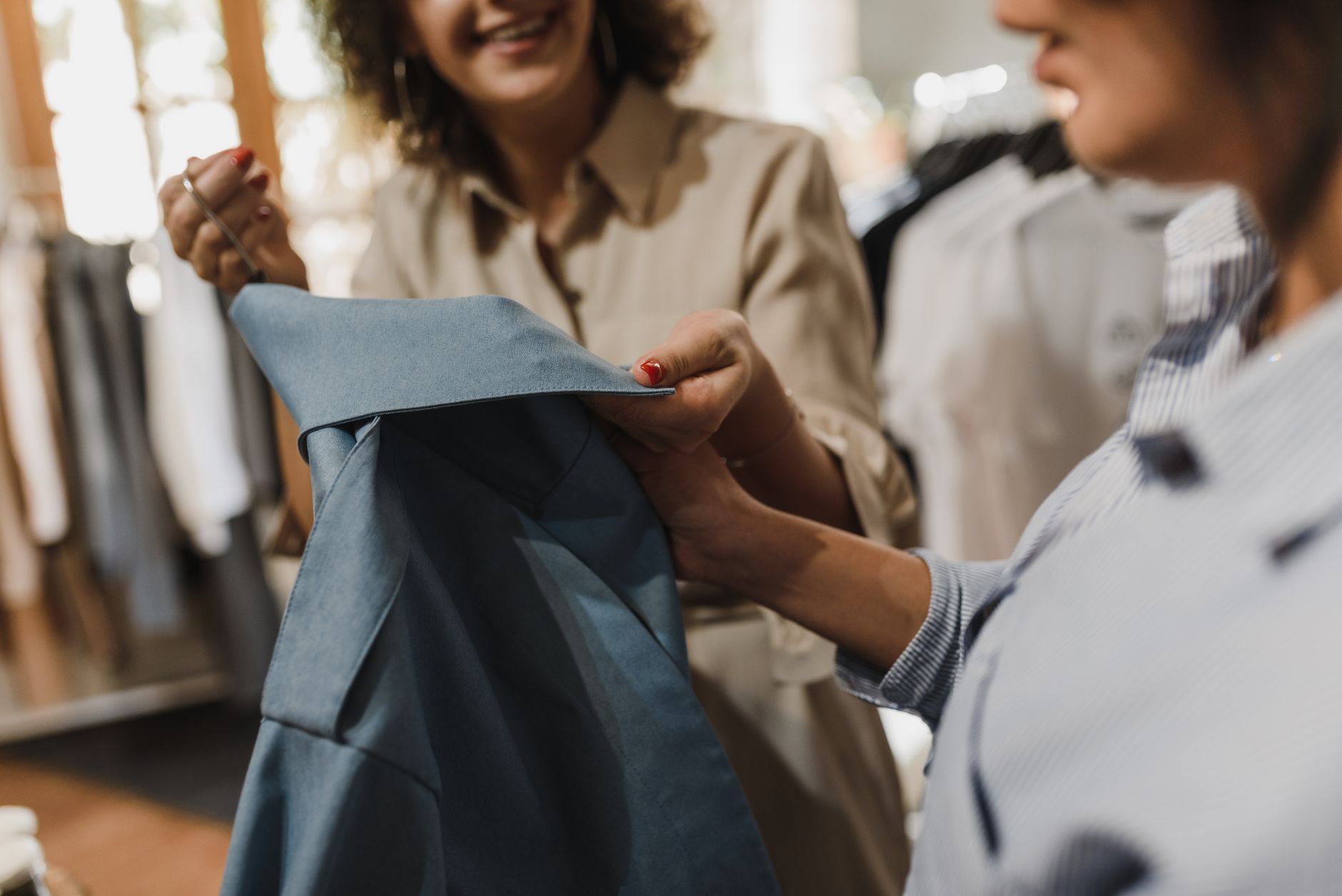
The custom apparel market is evolving faster than ever, and Australian organisations that stay ahead of these shifts are the ones building stronger brand recognition, deeper team culture, and more memorable customer experiences. Whether you’re a marketing manager in Sydney planning your next product launch, a Brisbane sporting club kitting out your junior teams, or a Melbourne-based business refreshing your corporate wardrobe, understanding where the industry is heading in 2026 is genuinely useful intelligence. Across decoration methods, fabric choices, sustainability expectations, and ordering behaviours, the landscape has changed significantly — and the custom apparel market trends shaping this year deserve a close look.
Why the Custom Apparel Market Is Growing in Australia
Australia’s branded merchandise sector has matured significantly over the past five years. Custom apparel — everything from embroidered polo shirts and screen-printed tees to sublimated sports uniforms and laser-engraved caps — now represents one of the largest and most consistently ordered segments of the promotional products industry.
The reasons are practical. Apparel travels. A branded hoodie worn to a café, a footy club polo spotted at the local shopping centre, a high-visibility vest at a trade show — these are all walking billboards delivering impressions that no digital ad can replicate. And in 2026, organisations across every sector are investing more deliberately in their branded apparel strategy, not just ordering a box of t-shirts as an afterthought.
According to broader global promotional products research, wearables consistently rank among the most recalled and retained promotional items. Australian buyers are increasingly approaching custom apparel with the same care they’d give a marketing campaign — selecting the right products, the right decoration method, and the right supplier to deliver on brief.
For a broader look at the options available to Australian organisations right now, our overview of promotional items for business is a helpful starting point.
Key Custom Apparel Market Trends Shaping 2026
1. Sustainability Is No Longer Optional
If there’s one word that defines where the custom apparel market is heading, it’s sustainability. Australian consumers and employees alike are increasingly conscious of where their branded gear comes from, how it was made, and what happens to it at the end of its life.
In 2026, organisations are asking harder questions of their apparel suppliers. Are the fabrics GOTS-certified organic cotton? Are they recycled polyester? Is the dye process water-reducing? These aren’t fringe questions from niche operators — they’re becoming standard procurement requirements, particularly for government departments, universities, and larger ASX-listed companies.
The shift is visible in product selection, too. Bamboo-blend tees, recycled PET fleece hoodies, and organic cotton polo shirts are moving from novelty items to core wardrobe staples. If you’re evaluating options for your next order, our guide to sustainable promotional products walks through what to look for and how to verify claims.
2. Premium Fabric Quality Is Beating Cheap Volume Ordering
There’s been a notable market correction away from the classic “order 500 cheap shirts” approach. Organisations — particularly corporate marketing teams and sports clubs building their brand — are increasingly choosing to order fewer garments at a higher quality price point, then invest properly in decoration.
This makes strategic sense. A well-made, heavyweight 260gsm cotton tee with a detailed, full-colour screen print will be worn regularly for years. A thin, scratchy shirt with a cracked transfer print will be binned after two washes. When your apparel is your brand ambassador, longevity matters enormously.
The promotional t-shirt market reflects this trend clearly, with buyers gravitating toward structured fits, ring-spun cotton, and retail-quality blanks rather than the budget promotional shirts that dominated a decade ago.
3. Embroidery Is Experiencing a Resurgence
Embroidery had been somewhat overshadowed by newer decoration methods in recent years, but 2026 has seen a strong comeback — particularly for corporate apparel, polo shirts, caps, and workwear. The appeal is both tactile and visual: embroidery communicates quality, durability, and professionalism in a way that printed logos simply can’t replicate.
For businesses wanting to project a premium image — think real estate agencies in Perth, financial services firms in Sydney, or hospitality groups on the Gold Coast — embroidered branding on polo shirts and outerwear is fast becoming the decoration method of choice.
Our detailed guide to custom embroidered polo shirts covers everything from digitising your artwork to selecting the right thread count and fabric weight for your application.
4. Sublimation Printing Is Dominating Sportswear
For sporting clubs and fitness-oriented organisations, sublimation printing has become the undisputed standard. The ability to print edge-to-edge designs with vibrant colour reproduction — directly into the fabric, not just on top of it — makes sublimation ideal for club jerseys, training tops, cycling kits, and event staff apparel.
The technology has also improved to the point where shorter runs are commercially viable, which is great news for community sporting clubs in Darwin, Adelaide, or regional Queensland that might only need 20–30 uniforms per season. The minimum order quantities (MOQs) for sublimated sportswear have come down considerably, opening up premium decoration to smaller organisations.
This links naturally to broader fitness and wellness merchandise trends. If you’re outfitting a gym or fitness centre, our guide to promotional massage tools for gym and fitness centres shows how apparel can be paired with other branded touchpoints for a cohesive member experience.
5. Personalisation at Scale Is Becoming an Expectation
Mass customisation — the ability to order a range of sizes, names, numbers, or individual colour variants within a single production run — is no longer a luxury. Organisations expect it as standard, and suppliers who can’t deliver it are losing business.
This is particularly relevant for sporting clubs adding player names and numbers to jerseys, HR teams creating onboarding kits with personalised names on apparel, and event organisers producing staff uniforms with individual role designations.
Paired with this trend is the rise of online merch stores — branded online portals where employees, members, or customers can self-select and order approved branded apparel on demand. This model is gaining significant traction with Australian universities, franchise businesses, and large corporates.
6. Small Businesses Are Entering the Custom Apparel Market Seriously
Historically, custom apparel has been seen as the domain of large organisations with big budgets and high-volume requirements. That’s changing rapidly. Improved digital printing technology, lower MOQs, and more accessible ordering platforms have brought quality custom apparel within reach of sole traders, micro-businesses, and startups.
A tradie in Hobart with a four-person team, a boutique fitness studio in Melbourne’s inner north, a small hospitality business in Fremantle — all of these operators are now investing in branded workwear and uniforms as a legitimate business expense and brand-building tool.
Our resource on small business promotional items covers how to approach this strategically without overcommitting on budget or stock.
7. Apparel Is Anchoring Broader Merchandise Strategies
In 2026, smart marketers are treating custom apparel not as a standalone product but as the centrepiece of a broader branded merchandise ecosystem. A polo shirt or tee is often the hero item in a corporate gift pack, a welcome kit, or a trade show bag — surrounded by complementary branded products that reinforce the same message.
A well-constructed welcome pack might pair a custom t-shirt with a personalised tote bag, a branded notebook, and a custom water bottle — delivering a cohesive unboxing experience that leaves a lasting impression. This kind of deliberate, curated merchandising is what separates memorable brand experiences from forgettable ones.
Similarly, event organisers are pairing apparel with on-theme accessories. A coastal event in Queensland might feature branded beach towels alongside custom tees. A food and wine festival might wrap staff in sublimated aprons alongside a selection of event-specific merchandise.
Ordering Considerations for 2026
Understanding the custom apparel market trends is one thing — executing a well-planned order is another. Here are a few practical reminders for organisations placing custom apparel orders this year:
- Lead times: Allow a minimum of 10–15 business days for standard orders; sublimation and embroidery can take longer, especially during peak periods (October–December, January–February for back-to-school and EOFY).
- Artwork requirements: Supply vector files (AI or EPS preferred) at 100% size. Raster files need to be a minimum of 300dpi. Poor artwork is the number one cause of delays and disappointed results.
- Size runs: Order a sensible size spread and request samples before committing to a full production run, particularly for new styles.
- Decoration method matching: Screen printing suits large flat areas; embroidery suits small, detailed logos on structured garments; sublimation suits polyester sportswear; heat transfer suits small runs on a range of colours.
For organisations exploring what’s available at scale, our wholesale promotional products guide covers bulk pricing considerations and what to look for when selecting a supplier partner.
Conclusion: What Australian Organisations Should Take Away
The custom apparel market in 2026 is more sophisticated, more sustainable, and more strategically important than ever before. Whether you’re a marketing team building brand awareness, a business creating a professional team culture, or a sports club investing in identity and community pride, understanding these trends puts you in a stronger position to make smart decisions.
Here are the key takeaways:
- Sustainability credentials are increasingly non-negotiable — ask your supplier to verify fabric certifications and ethical production claims.
- Quality over quantity is the dominant ordering philosophy — fewer, better garments deliver more brand value than bulk cheap items.
- Embroidery and sublimation are the decoration methods gaining the most ground in 2026, each suited to distinct garment types and use cases.
- Personalisation at scale is now an expectation — work with suppliers who can accommodate individual name printing, mixed sizes, and online store fulfilment.
- Apparel works hardest as part of a curated merchandise strategy — pair it with complementary branded products to create truly memorable brand experiences.
For organisations ready to build their branded apparel strategy for 2026, taking the time to understand these trends — and aligning your choices with your broader marketing goals — will make a measurable difference in how your brand is seen, remembered, and trusted.