
Pad Printing on Custom Hoodies in Australia: What You Need to Know
Discover how pad printing works on custom hoodies in Australia, plus tips on when to use it, costs, and better alternatives for your brand.

Written by
Hana Watanabe
Branding & Customisation
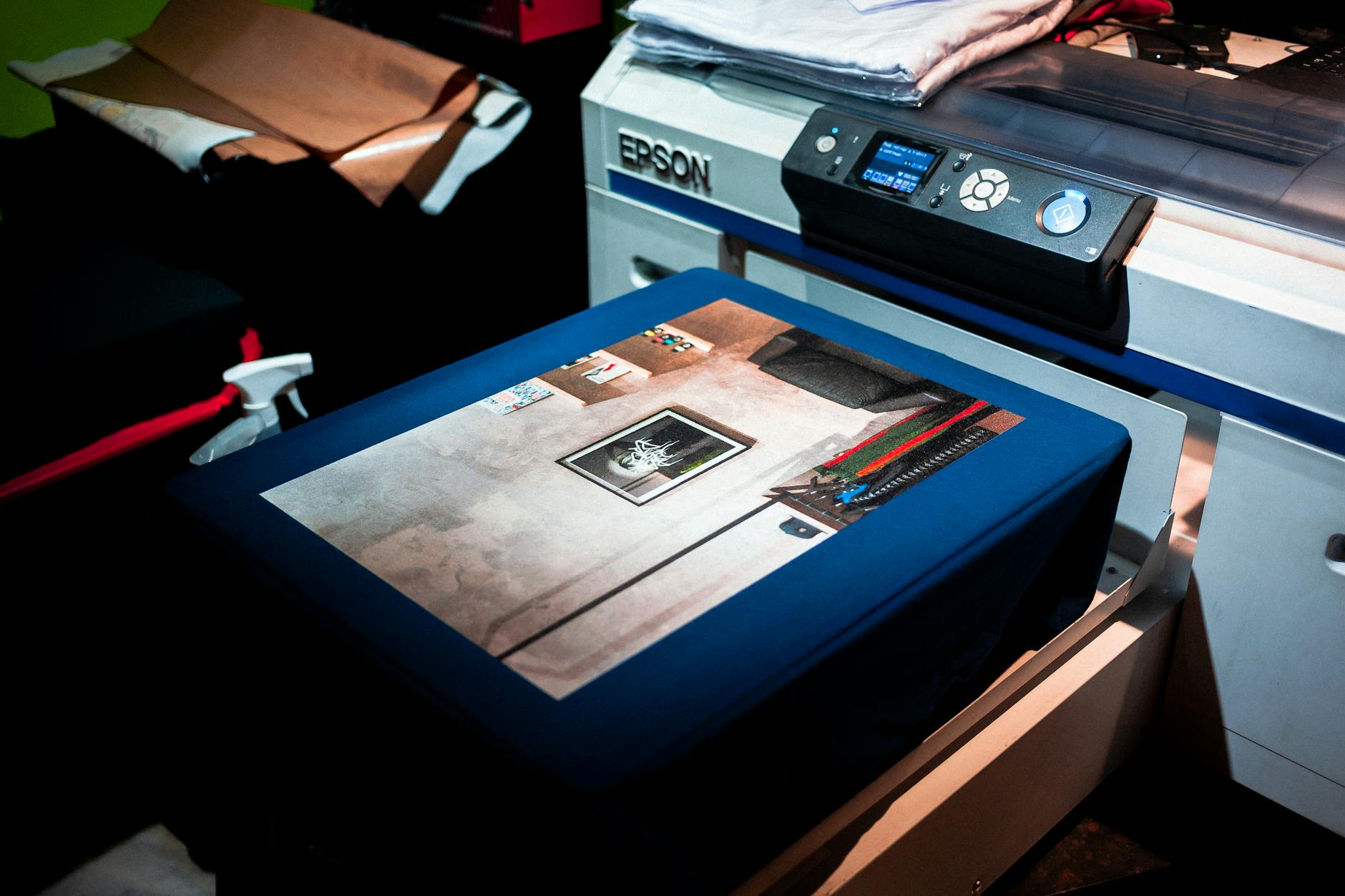
When it comes to decorating custom hoodies for your business, sports club, or marketing campaign, the decoration method you choose matters just as much as the hoodie itself. One technique that often comes up in conversations with Australian suppliers is pad printing — but there’s a common misconception about where it fits in the world of custom apparel. Understanding pad printing on custom hoodies in Australia means understanding not just what the method does, but when it’s actually the right choice, and when another method will serve your brand far better. Whether you’re a marketing manager in Sydney putting together a staff uniform pack, a football club in Brisbane ordering end-of-season gear, or a startup in Melbourne building out your first branded merchandise range, this guide will give you the clarity you need.
What Is Pad Printing and How Does It Work?
Pad printing is an indirect printing process that transfers a 2D design onto a 3D or irregular surface using a silicone pad. The process involves etching an image onto a plate (called a cliché), loading it with ink, and then pressing a soft silicone pad against the inked plate before transferring the image to the target surface.
This technique is incredibly effective on hard, rigid, and three-dimensional products. Think about the small logo on a pen barrel, the print on a USB drive, the branding on a power bank, or the design on a keychain. Pad printing excels where other methods struggle — specifically on curved, uneven, or non-flat surfaces that don’t lend themselves to screen printing or digital printing.
It’s precise, consistent, and capable of producing clean, sharp artwork — typically in one to four colours — at a relatively low cost per unit when ordered in bulk.
What Pad Printing Is Not Ideal For
Here’s where the hoodie conversation gets interesting. Pad printing is not a standard or recommended technique for custom hoodies or other soft garments. Fabric surfaces are porous, flexible, and textured — the complete opposite of what pad printing handles best. Trying to pad print directly onto a hoodie’s fabric would result in poor ink adhesion, cracking, uneven coverage, and an overall subpar result that simply wouldn’t hold up through regular washing.
So if you’ve been searching for pad printing on custom hoodies in Australia and wondering why supplier quotes seem confusing or inconsistent, this is why. The term is sometimes used loosely in the industry, or buyers come across it having seen it used on hard accessories and assume it translates to garments. It doesn’t — at least not in any professionally recommended sense.
Decoration Methods That Actually Work on Custom Hoodies
The good news is that Australian businesses and clubs have access to several high-quality decoration methods that are purpose-built for custom hoodies. Each has its strengths depending on your artwork, budget, order quantity, and intended use.
Screen Printing
Screen printing is the most widely used method for custom hoodies across Australia, and for good reason. It produces vibrant, durable prints that bond well with cotton and cotton-blend fleece fabrics. It works beautifully for bold logos, team names, and multi-colour designs with defined edges.
Screen printing typically requires a setup fee per colour, which means it’s most cost-effective on larger runs — generally 20 units or more. For a Melbourne gym running a branded hoodie range for members, or a Gold Coast event company producing sponsor gear, screen printing offers excellent value and professional results. You can read more about the full scope of custom t-shirt and garment printing options to understand how screen printing fits into the broader landscape.
Embroidery
Embroidery is the go-to decoration method when you want a premium, tactile finish. A logo or text is stitched directly into the fabric using thread, creating a raised, textured effect that’s associated with quality workwear, corporate uniforms, and club merchandise.
It’s particularly popular for chest logos, sleeve badges, and branding on zip-through hoodies. Embroidery holds up exceptionally well through commercial laundering, making it a smart choice for staff uniforms across industries from hospitality to construction. The trade-off is that it suits simpler designs — fine gradients and photographic images aren’t well suited to embroidery.
Heat Transfer Vinyl (HTV) and Digital Heat Transfer
Heat transfer methods involve printing a design onto a transfer film, which is then heat-pressed onto the garment. They’re ideal for smaller runs, complex full-colour artwork, and personalised items (like adding individual names or numbers). Sports clubs ordering team hoodies with individual player names frequently rely on digital heat transfer for this exact reason.
Digital heat transfer has improved significantly in recent years and now offers excellent wash durability when applied correctly. It’s a versatile option for promotional t-shirts and hoodies alike, particularly when you need a fast turnaround or a short-run order.
Sublimation Printing
Sublimation printing infuses dye directly into the polyester fibres of a garment, creating vivid, all-over prints with no feel on the fabric. However, it only works on polyester or high-polyester-blend fabrics. If you’re after a true all-over design on a custom hoodie — popular for sports clubs and activewear brands — sublimation is worth exploring.
When Pad Printing Is the Right Choice in a Merchandise Bundle
Just because pad printing isn’t suited to hoodie fabric doesn’t mean it has no role in your branded merchandise strategy. Quite the opposite — it’s an excellent technique for many of the hard goods that sit alongside apparel in a well-rounded merchandise pack.
Consider a branded merchandise bundle for a corporate event. The hoodie might feature screen-printed or embroidered branding, while other items in the pack — a branded pen, a promotional phone case, a keychain or USB drive — could be pad printed. For a look at how promotional items for business can be structured into a cohesive gift set, it’s worth thinking about how different decoration methods work together across product types.
Similarly, a sports club in Adelaide might order embroidered hoodies for their senior team while also sourcing pad-printed water bottles, personalised tote bags, or branded reusable food pouches for their community fundraiser.
Pad printing is also commonly found on:
- Branded pens and stationery — perfect for smaller barrel surfaces
- Keyrings and lanyards — ideal for curved plastic surfaces
- USB drives and tech accessories — consistent, sharp results on rigid casings
- Phone cases — check out custom phone case options for more on decorating hard accessories
- Promotional sunshades — similar to how suppliers use it on branded windscreen sunshades for car dealerships
- Toiletry bag zippers and fittings — such as hardware on a custom toiletry kit bag
Planning Your Custom Hoodie Order in Australia
Now that you’re clear on the right decoration methods for hoodies, here are some practical tips for placing a successful order.
Define Your Artwork Early
Regardless of decoration method, having your logo or artwork in a vector format (AI, EPS, or high-resolution PDF) before you start requesting quotes will save significant time. Raster images (JPGs or low-res PNGs) will need to be redrawn, which adds cost and delays to your project timeline.
Understand Minimum Order Quantities
Screen printing typically has a minimum order quantity (MOQ) of around 12–25 units depending on the supplier and number of print colours. Embroidery can sometimes be done from as few as 6 pieces. Heat transfer can often accommodate even smaller runs. For small business promotional items, lower MOQs are often a deciding factor — it’s worth asking suppliers directly about their minimums.
Budget for Setup Fees
Screen printing incurs a one-off setup (screen) fee per colour, typically ranging from $25 to $60 per colour. Embroidery requires digitising your logo into a stitch file, which is usually a one-time cost of $50–$100. Once those setups are done, repeat orders are more affordable.
Allow Adequate Lead Time
For custom hoodies in Australia, allow at least 10–15 business days for standard production once artwork is approved. Rush turnarounds are possible but often incur additional fees. Peak periods — particularly November and December for end-of-year events and Christmas gifting (think personalised Christmas merchandise) — mean earlier planning is essential.
Request a Pre-Production Sample
For larger orders, always request a pre-production sample or a physical proof before giving the green light on full production. This is especially important for embroidery, where colours, stitch density, and scaling on fabric can look different to a flat digital mockup.
Thinking Beyond Hoodies: Building a Complete Branded Merchandise Range
Custom hoodies are often just one part of a broader branded merchandise strategy. Australian businesses and clubs that make the most of their merchandise budget typically take a holistic approach — combining apparel with complementary hard goods and accessories.
If you’re putting together a complete brand kit, consider exploring promotional products Australia wholesale options to make the most of your volume pricing, or browse sustainable product alternatives if your organisation has environmental commitments. A Perth tech company launching a new product, for example, might pair embroidered hoodies with branded notebooks, eco-friendly water bottles, and a custom promotional beach towel for a summer brand activation.
For brands looking at niche event audiences, it’s also worth exploring how merchandise works across specific verticals — from food and wine festival merchandise to health and wellness gifting.
Key Takeaways
To wrap up, here’s what every Australian business, sports club, or marketing team should walk away knowing about pad printing on custom hoodies in Australia:
- Pad printing is not designed for fabric — it’s a hard-surface decoration method best used on pens, USB drives, keyrings, phone cases, and similar rigid items
- The right decoration methods for custom hoodies are screen printing, embroidery, heat transfer, and sublimation — each suits different budgets, quantities, and artwork styles
- Embroidery offers a premium finish for corporate and workwear applications, while screen printing delivers bold, cost-effective results at volume
- Pad printing still plays a valuable role in a complete merchandise bundle alongside hoodies — particularly on accessories and hard goods
- Planning ahead with correct artwork files, realistic budgets, and adequate lead times will make your custom hoodie project far more successful from start to finish
Understanding which decoration technique to use — and when — is what separates a polished, professional merchandise range from one that disappoints on delivery. Get that right, and your custom hoodies will be something your team, members, or customers are genuinely proud to wear.