
Sustainable Products for Australian Businesses: The Complete Branded Merchandise Guide
Discover how Australian businesses, marketing teams and sports clubs can choose sustainable products for their branded merchandise strategy in 2026.

Written by
Elise Nordstrom
Eco & Sustainable Products
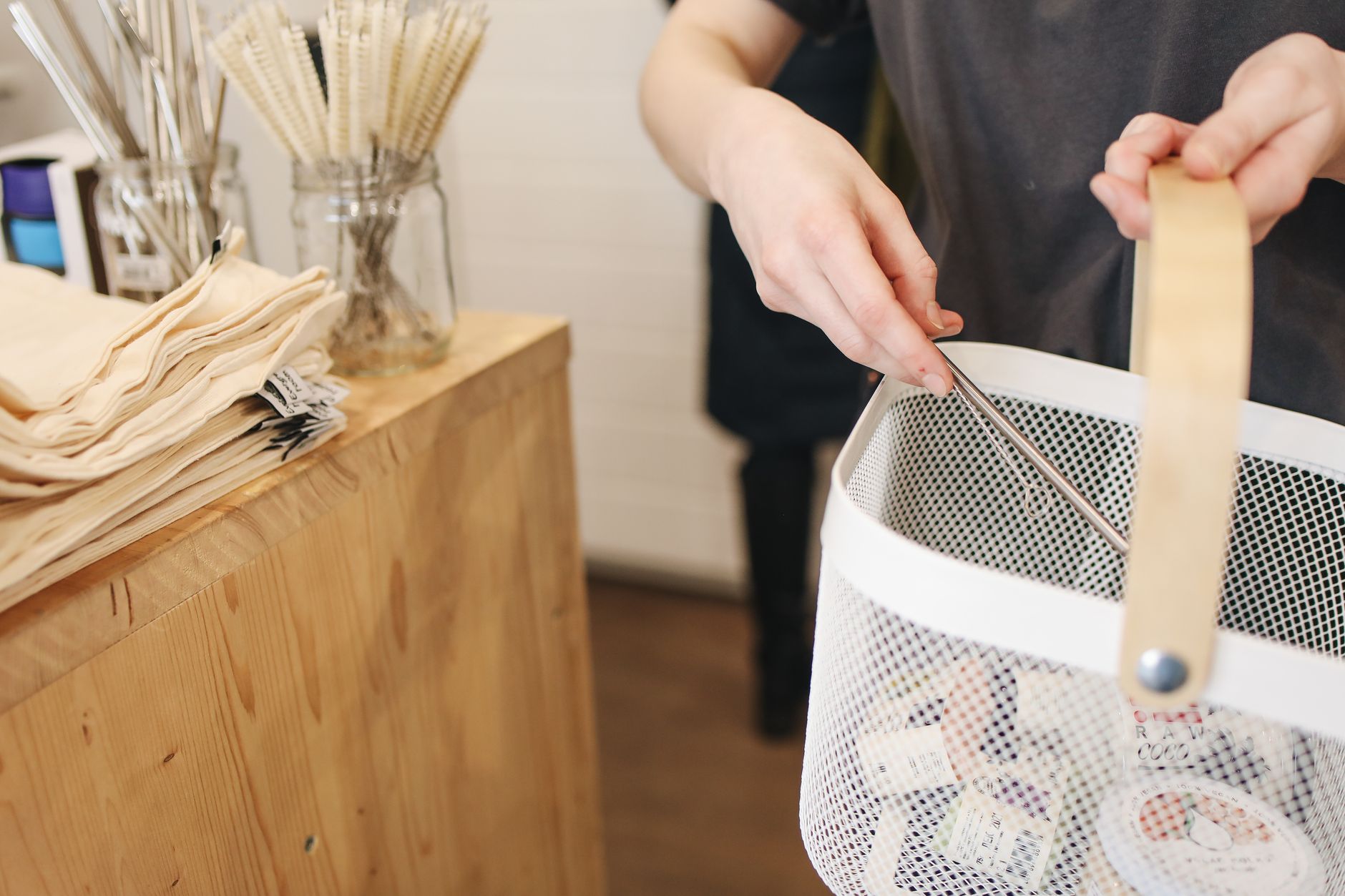
Choosing the right branded merchandise has always been a balancing act between budget, impact, and brand alignment. But in 2026, there’s a fourth consideration that’s become impossible to ignore: sustainability. Australian businesses, marketing teams, and sports clubs are increasingly asking not just “will our audience love this?” but “is this the right choice for the planet?” The good news is that sustainable products have come a long way from flimsy recycled tote bags and novelty bamboo pens. Today’s eco-conscious merchandise is high quality, visually impressive, and genuinely functional — making it easier than ever to build a promotional campaign that reflects your brand values without compromising on effectiveness.
Why Sustainable Products Are Reshaping Australian Branded Merchandise
The shift toward sustainability isn’t just a trend — it’s a fundamental change in how Australian consumers, employees, and communities expect businesses to operate. Research consistently shows that customers are more loyal to brands that demonstrate genuine environmental responsibility. For marketing teams, this creates a compelling opportunity: every piece of branded merchandise you put into the world is a statement about what your organisation stands for.
Consider a Sydney-based financial services firm ordering end-of-year gifts for clients. Choosing reusable drinkware made from recycled materials sends a completely different message than handing out single-use plastic merchandise. The same logic applies to a Perth sporting club outfitting volunteers, or a Melbourne council distributing branded bags at a community event. The merchandise you choose communicates your values before a single word is spoken.
Beyond brand perception, there are also practical motivations. Government procurement policies in Australia increasingly favour suppliers that demonstrate environmental credentials. Many not-for-profit organisations have commitments to reduce their environmental footprint. And for corporate businesses with ESG (environmental, social, and governance) reporting obligations, choosing sustainable promotional merchandise is a small but meaningful contribution to measurable targets.
Key Categories of Sustainable Products for Branded Merchandise
One of the most valuable things about the modern sustainable merchandise market is the sheer breadth of products available. You’re not limited to a narrow selection of uninspiring options. Let’s walk through the key categories worth considering.
Reusable Bags and Totes
Reusable bags remain one of the most popular and practical sustainable merchandise choices. They’re used regularly, offer generous branding space, and have become a genuine part of everyday Australian life since single-use plastic bag bans rolled out across all states and territories. Whether you’re considering personalised tote bags for a conference giveaway or promotional grocery bags for a retail campaign, the options are extensive. Look for bags made from organic cotton, jute, or recycled PET materials for stronger eco credentials.
Sustainable Drinkware
Custom drinkware is perennially one of the best-performing merchandise categories, and it’s also one of the most compatible with sustainable values. A well-made reusable coffee cup or stainless steel water bottle can replace hundreds of single-use cups over its lifetime. Branded travel mugs are particularly popular for corporate gift campaigns, while double-walled stainless steel water bottles perform exceptionally well at sporting events, school fundraisers, and trade shows. For campaigns with a hydration or health theme, exploring water branding merchandise is worth your time.
Eco-Friendly Stationery
Notebooks made from recycled paper, sugarcane, or stone paper are excellent for conferences, education sector clients, and corporate gifts. Promotional Moleskine notebooks remain a premium choice when brand impression matters, while more sustainable alternatives like bamboo-covered notebooks or recycled cover journals offer strong eco appeal at accessible price points. If you need flexibility on order quantities, promotional notebooks with no minimum order can be a practical solution for smaller campaigns or test runs.
Recycled and Organic Apparel
Custom apparel made from organic cotton, recycled polyester, or blended sustainable fabrics is growing rapidly. A Brisbane school ordering promotional t-shirts for their sports carnival can now specify GOTS-certified organic cotton options, and many suppliers offer OEKO-TEX certified fabrics. For larger apparel orders, exploring t-shirt printing options that use water-based inks rather than plastisol can reduce the environmental impact of the decoration process itself. Water-based inks are lower in VOCs and produce a softer, more breathable print — better for the planet and better for the wearer.
Reusable Food and Lifestyle Products
Beyond bags and drinkware, there’s a growing category of sustainable lifestyle merchandise worth exploring. Reusable food pouches are a creative choice for food brands, health-focused organisations, and school campaigns. Toiletry kit bags made from recycled or organic materials make thoughtful corporate gifts, particularly for travel-heavy industries or conference packages.
Decoration Methods That Align With Sustainable Values
Choosing sustainable products is an important first step, but the decoration method matters too. Not all printing and branding techniques are created equal from an environmental perspective.
Screen printing with water-based inks is a strong choice for apparel, producing vibrant results with lower chemical impact than traditional plastisol inks.
Laser engraving is one of the most eco-friendly decoration options for drinkware, metal items, and timber products. It uses no inks or chemicals at all, and the results are permanent and high quality.
Embroidery is durable, high-end, and doesn’t involve inks or chemicals. It’s ideal for caps, bags, and quality apparel where longevity matters — a decorated item that lasts for years is inherently more sustainable than one that fades and gets discarded.
Sublimation is suitable for certain polyester and coated substrates, but it’s worth noting that sublimation is not compatible with organic cotton. If sustainability is a priority, match your decoration method carefully to your product substrate.
When briefing your merchandise supplier, ask specifically about their inks, decoration processes, and any environmental certifications they hold. The conversation is a worthwhile one.
Practical Tips for Ordering Sustainable Merchandise in Australia
Navigating the world of promotional products in Australia with a sustainability lens requires a little extra diligence. Here are some practical considerations to help your team make informed decisions.
Understand Certifications and Claims
Terms like “eco-friendly,” “green,” and “sustainable” are used loosely in the merchandise industry. When evaluating products, look for specific, verifiable certifications: GOTS (Global Organic Textile Standard) for organic apparel, FSC (Forest Stewardship Council) for paper and timber products, GRS (Global Recycled Standard) for recycled content claims, and OEKO-TEX for chemical safety in textiles.
Budget Realistically
Sustainable materials often carry a modest price premium compared to conventional alternatives. However, the gap has narrowed considerably over recent years, and sustainable products frequently offer better perceived value to recipients — meaning you may need fewer items to make a strong impression. If you’re a smaller operation, check out small business promotional items that offer sustainable options at accessible price points and lower minimum order quantities.
Plan Ahead for Lead Times
Sustainable products, particularly those with certified materials, can sometimes have longer lead times than conventional items. If you’re coordinating merchandise for a major event — say a Gold Coast food and wine festival or a corporate conference in Adelaide — build in extra time for proofing, production, and shipping. Our guide to promotional merchandise for food and wine festivals is a useful reference for event-specific planning.
Think About Longevity Over Volume
A core principle of sustainable gifting is choosing items people will actually keep and use. A well-made reusable bag, quality notebook, or durable water bottle will be used for years. Contrast that with cheap novelty items that end up in the bin within weeks. When reviewing promotional items for business campaigns, always ask: will the recipient genuinely use this? The more useful the product, the more sustainable the choice — regardless of what it’s made from.
Consider the Full Supply Chain
If your organisation has a genuine commitment to sustainability, it’s worth asking suppliers about their own practices: where products are manufactured, what labour standards apply, and how merchandise is packaged and shipped. Requesting minimal or recycled packaging for your order is a simple but meaningful step.
Sustainable Merchandise Across Different Australian Sectors
Different sectors approach sustainable products with different priorities. A Canberra government department may focus on certified recycled materials to satisfy procurement policies. A Darwin sports club might prioritise durability and reusability over material provenance. A Melbourne charity might look for products that combine sustainability with local manufacturing to align with their mission.
For marketing teams managing summer promotional products in Brisbane, sustainable sun protection items, reusable water bottles, and lightweight organic tote bags are perfectly aligned with both the season and sustainability values. In cooler southern cities like Hobart or Canberra, branded insulated drinkware and recycled-material beanies offer practical sustainable options for winter campaigns.
Even specialist categories are expanding. If you’re outfitting a gym or fitness centre, promotional products for health and fitness contexts can now be sourced in sustainable materials. And for businesses in the automotive sector, even niche items like promotional windscreen sunshades are available in recycled and more sustainable substrate options from progressive suppliers.
Conclusion: Making Sustainable Products Work for Your Brand
The momentum behind sustainable products in Australian branded merchandise is real, and it’s accelerating. For marketing teams, business owners, and sports club committees, the case for making eco-conscious merchandise choices has never been stronger — or more practical. The product range is broader, the quality is better, and the alignment with audience expectations has never been tighter.
Here are the key takeaways to carry forward:
- Certifications matter — look beyond vague “eco-friendly” claims and seek out GOTS, GRS, FSC, and OEKO-TEX certified products for credible sustainability credentials.
- Decoration methods count — pairing a sustainable product with water-based inks, laser engraving, or embroidery strengthens your overall environmental position.
- Longevity beats volume — a smaller quantity of high-quality, useful sustainable products will always outperform a large order of cheap items nobody keeps.
- Budget is increasingly manageable — the price premium on sustainable merchandise has narrowed, especially when you factor in the superior brand perception they deliver.
- Plan early — sustainable product lines can carry longer lead times, so build this into your campaign planning from the start.
By making thoughtful, informed choices about your sustainable products strategy, you’re not just ticking an environmental box — you’re building a brand that Australians genuinely respect and remember.