
Custom Polo Shirts With Embroidered Logos: The Complete Australian Buying Guide
Everything Australian businesses, marketing teams & sports clubs need to know about ordering custom polo shirts with embroidered logos.

Written by
Jayden Hart
Custom Apparel
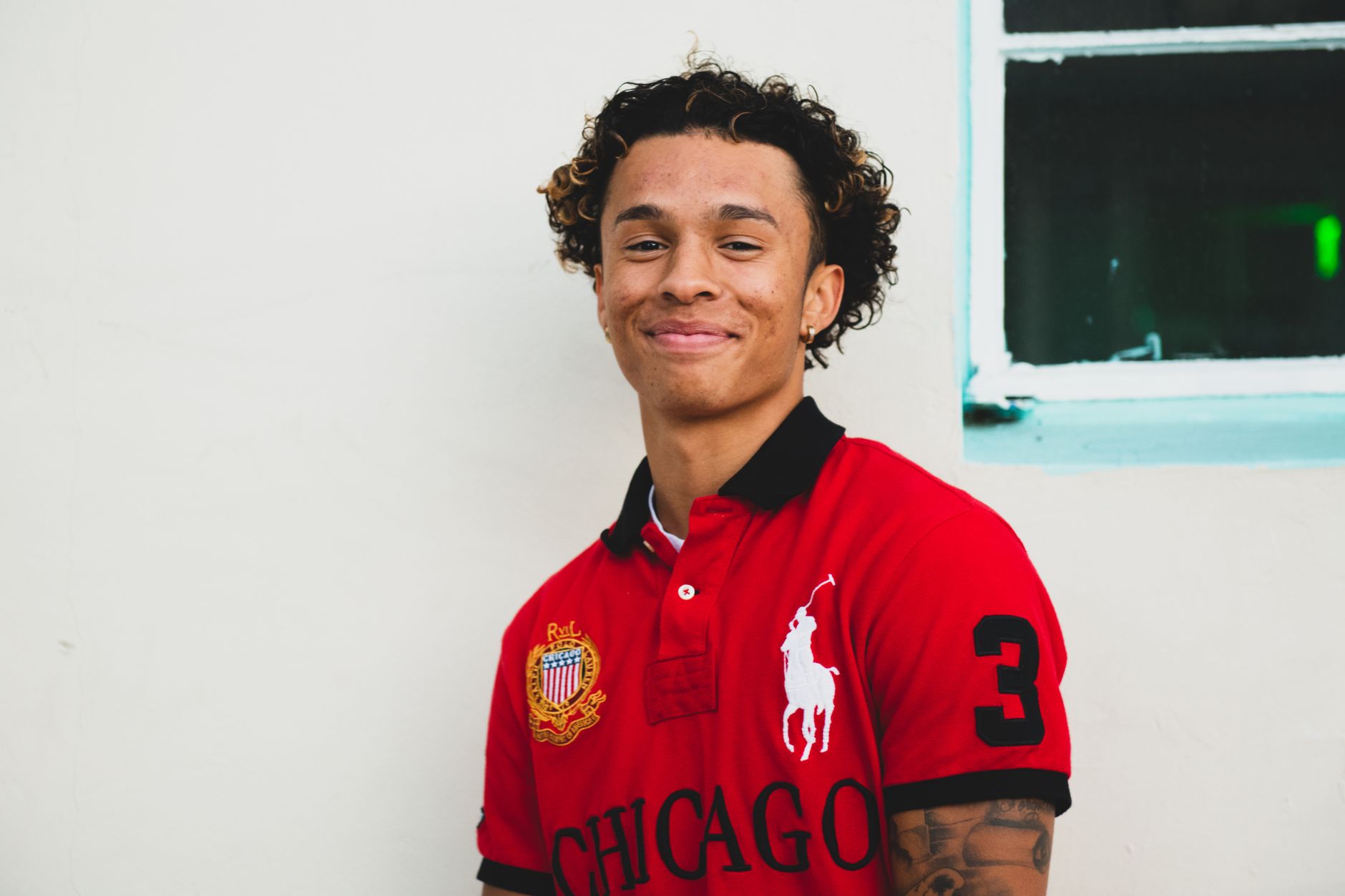
Few branded apparel choices carry the same professional weight as a polo shirt embroidered logo custom order done right. Whether you’re kitting out a sales team heading to a trade expo in Sydney, decking a Melbourne sporting club in their new season colours, or giving your Brisbane retail staff a sharp, unified look, embroidered polo shirts remain one of the most enduring and versatile choices in the world of branded merchandise. They sit comfortably in the sweet spot between formal and casual, they’re durable enough for everyday wear, and — crucially — a well-placed embroidered logo communicates quality in a way that no other decoration method quite matches. This guide covers everything you need to know before placing your order: from choosing the right fabric and fit, to understanding turnaround times, MOQs, and getting your artwork stitch-ready.
Why Polo Shirts With Embroidered Logos Remain a Staple in Australian Branding
There’s a reason embroidered polo shirts have been a cornerstone of corporate and club branding for decades, and it’s not just tradition. Embroidery produces a raised, textured finish that looks genuinely premium — the kind of finish that makes clients and customers take notice. Unlike some decoration methods that can fade, crack, or peel after heavy washing, embroidery is exceptionally durable. The stitching becomes part of the garment itself, meaning a well-embroidered polo shirt can retain its brand integrity through hundreds of wash cycles.
For Australian marketing teams managing large branded wardrobes — think a Perth mining company outfitting dozens of site managers, or a Gold Coast hospitality group dressing hundreds of floor staff — this durability translates directly into long-term value. You’re not reordering uniforms every six months because the decoration has deteriorated.
Embroidery also carries an inherent prestige that other decoration methods like screen printing or heat transfer don’t always convey. It signals investment and quality. If your organisation is presenting at a major industry conference in Melbourne or hosting clients at a corporate event in Adelaide, branded polo shirts with embroidered logos tell a story about your brand before anyone says a word.
Embroidery vs Other Decoration Methods for Polo Shirts
Before committing to embroidery, it’s worth understanding why it’s the preferred choice for polo shirts specifically — and where other methods might serve you better.
Screen printing is excellent for large, bold designs with flat colours, and it’s a popular choice for promotional t-shirts. If you’re ordering promotional t-shirts for an event or campaign, screen printing often makes more sense for larger print runs with simple designs. However, on polo shirts — which are typically a more structured garment — the embroidered look tends to align better with the formality of the product.
Heat transfer and sublimation can reproduce photographic quality artwork and are brilliant for all-over designs, but they can feel less substantial on a polo shirt fabric. The tactile quality of embroidery on a cotton-blend polo simply outperforms these methods for logo work.
Pad printing and laser engraving are largely reserved for hard products. For wearables, embroidery remains the gold standard for polo shirts, particularly when logos contain text, simple iconography, or crests.
For a deeper breakdown of how these techniques compare, take a look at our resource on promotional items for business — it covers decoration choices across a wide range of product types.
How to Choose the Right Polo Shirt for Your Custom Embroidered Logo Order
Not all polo shirts are created equal, and the garment you choose will significantly affect how your embroidered logo looks, feels, and lasts. Here are the key considerations.
Fabric and Weight
Cotton-blend polos (typically a 65% polyester / 35% cotton mix, or a 100% cotton pique fabric) are the most common choice for branded uniforms in Australia. Cotton-rich fabrics provide a firm, stable base that holds embroidery well and maintains a clean appearance after washing. Lighter performance fabrics (commonly used in sportswear) can sometimes distort under embroidery, so it’s worth discussing fabric options with your supplier if you’re ordering for a sporting club or outdoor team.
For warm-weather states like Queensland, Darwin, and Western Australia, moisture-wicking performance fabrics are popular for workwear polo shirts — just ensure these are confirmed as embroidery-friendly before ordering. A good supplier will advise you on backing requirements for lighter fabrics.
Fit and Style
Corporate teams typically opt for a classic or semi-fitted cut that looks polished across a range of body types. Sporting clubs and recreational associations often lean toward a sportier, tapered fit. Pay close attention to sizing charts — Australian sizing can vary between garment brands, and with bulk orders it’s worth ordering a sample set before committing to your full run.
Ladies’ cut polo shirts are also widely available and should be factored into your order if your team is mixed. Getting the fit right matters as much as the branding — staff who feel comfortable in their uniforms wear them with pride, which is ultimately what you want from branded apparel.
Colour Selection and PMS Matching
For organisations with established brand guidelines, PMS colour matching is an important conversation to have with your supplier early in the process. Many standard polo shirt colours will closely approximate common brand colours, but if your brand uses a precise custom colour, you’ll want to confirm how closely the garment colour aligns before placing a large order.
It’s also worth considering how your embroidered logo colours will perform against the shirt colour. A white embroidered logo on a navy shirt is a classic, high-contrast combination that photographs beautifully. More subtle colour-on-colour embroidery can look sophisticated but may reduce legibility at a distance.
Artwork Requirements for Embroidered Polo Shirts
This is one of the most important areas to get right — particularly if you’re ordering polo shirts with embroidered logos for the first time. Embroidery doesn’t reproduce artwork in the same way printing does; your design is translated into a stitch file (typically a .DST or .EMB format) that instructs the embroidery machine on needle paths, stitch types, and density.
What Makes a Good Embroidery-Ready Logo?
Clean, vector-based logos with clear colour separations tend to digitise well for embroidery. Logos with fine detail, very thin lines, or subtle gradients can lose clarity when stitched — your supplier’s digitising team will advise on any simplifications needed. As a general rule:
- Simple shapes and bold text reproduce excellently in embroidery
- Thin serifs or intricate detail may need to be slightly simplified
- Gradients and photographic elements don’t translate to embroidery
Most suppliers will provide a digital proof (often called a “stitch preview”) before production begins. Always approve this carefully — check letter spacing, stitch density, and that all colours are correct.
Thread Colours and Pantone Matching
Embroidery thread comes in a wide range of colours, and while a perfect Pantone match isn’t always possible, most suppliers can get very close to standard brand colours. Provide your brand’s Pantone references upfront so your supplier can select the closest matching thread.
Minimum Order Quantities, Pricing, and Turnaround Times
MOQs
For custom polo shirts with embroidered logos, minimum order quantities in Australia typically start from as low as 6–12 pieces for standard options, though better pricing is achieved at higher quantities. Most organisations find that orders in the 24–50 piece range hit a sweet spot of quality, price, and variety of sizes.
Pricing Tiers
Bulk pricing tiers typically apply across the industry. Expect a significant unit price reduction as you move from 12 pieces to 50, and again from 50 to 100+. When budgeting, factor in:
- Garment cost (varies by fabric quality and brand)
- Digitising fee (a one-off cost to convert your logo into a stitch file, often waived on larger orders)
- Setup/screen fees (if applicable)
- Delivery costs (particularly relevant for regional areas)
If you’re a small business owner managing your first branded uniform order, our guide to small business promotional items has practical advice on budgeting and prioritising your spend.
Turnaround Times
Standard turnaround for custom embroidered polo shirts in Australia is typically 10–15 business days from artwork approval, though this can vary depending on order size and supplier lead times. Rush production options are sometimes available for an additional fee. For major events — a Canberra government conference, a Hobart sporting association’s season launch — plan ahead and allow at least three to four weeks from initial enquiry to delivery.
Getting the Best Results From Your Polo Shirt Embroidered Logo Order
Beyond the technical requirements, there are a few practical tips that can make a real difference to your end result.
Order samples before committing to a large run. If your order is significant in size or budget, request a pre-production sample of the embroidered logo on the actual garment. This lets you check colour accuracy, stitch quality, and placement before full production begins.
Specify logo placement clearly. The standard position for an embroidered logo on a polo shirt is the left chest, but right chest, sleeves, and back neck are all common options. If you want multiple embroidery locations (e.g., left chest logo and a name embroidered on the right), discuss this with your supplier as it affects pricing.
Consider the full branded picture. Polo shirts work best as part of a cohesive branded package. Consider pairing them with complementary items — branded caps, personalised tote bags, or even branded water bottles — to create a unified look for your team or event attendees.
For organisations building a broader branded merchandise programme, it’s also worth exploring wholesale promotional products to manage costs across multiple product categories.
Beyond the Polo: Building a Complete Branded Uniform Strategy
Custom polo shirts with embroidered logos are a powerful foundation, but the strongest branded apparel programmes think holistically. Sporting clubs might pair polos with embroidered caps and custom printed t-shirts for training days. Corporate teams might complement their polo uniform with branded notebooks for client meetings or branded bags for their on-the-road representatives.
Eco-conscious organisations in 2026 are also increasingly exploring sustainable promotional products — including polo shirts made from recycled polyester or organic cotton — to align their uniform choices with their environmental values. If your organisation has sustainability commitments, ask your supplier about available eco-friendly garment options.
For event-focused organisations, consider how branded polo shirts sit alongside other event merchandise. Whether you’re running a food and wine festival or a sporting association’s annual fundraiser, check out our guide to promotional merchandise for food and wine festivals for inspiration on how branded apparel fits into a broader event merchandise mix.
Conclusion: Key Takeaways for Ordering Custom Polo Shirts With Embroidered Logos
Polo shirts embroidered logo custom orders are one of the smartest branded merchandise investments an Australian business, marketing team, or sporting club can make — but getting the details right makes all the difference. Here are the essential points to take away:
- Embroidery is the premium choice for polo shirts — it’s durable, professional-looking, and communicates brand quality in a way other decoration methods don’t match
- Choose your garment carefully — fabric weight, fit, and colour all affect how your embroidered logo will look and perform in real-world conditions
- Prepare your artwork correctly — clean, vector-based logos with clear colour separations digitise best; always approve a stitch proof before full production
- Plan your timeline — allow at least three to four weeks from initial enquiry for a smooth, stress-free ordering experience, especially for large or event-critical orders
- Think beyond the single product — the best results come from pairing embroidered polo shirts with complementary branded items to create a cohesive, professional brand presence
Whether you’re placing your first ever uniform order or refreshing an entire national team wardrobe, taking the time to understand the process ensures your investment pays off in a product your team will genuinely be proud to wear.