
Promotional Items for Business: The Complete Australian Buyer's Guide for 2026
Discover the best promotional items for business in Australia — from branded apparel to tech accessories — with expert tips on budgeting, ordering, and maximising ROI.

Written by
Liam Gallagher
Corporate Gifts
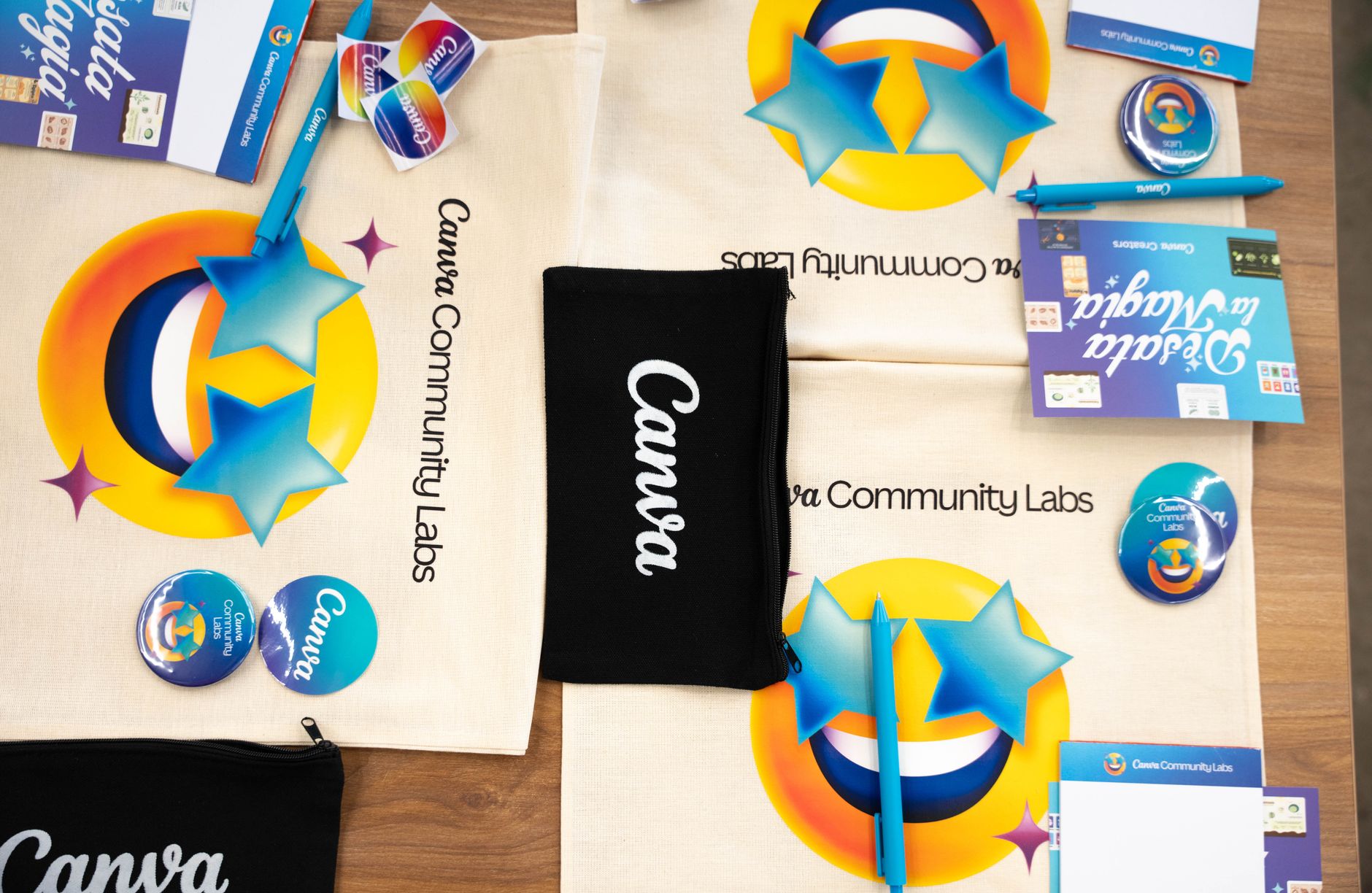
Choosing the right promotional items for business can feel overwhelming. With hundreds of product categories, countless decoration methods, and an ever-growing range of suppliers to navigate, it’s easy to end up with a warehouse shelf full of branded merchandise that nobody actually wants. The good news? When you get it right — when you match the right product to the right audience at the right moment — promotional items become one of the most cost-effective marketing tools available to Australian businesses. This guide walks you through everything you need to know to make confident, strategic decisions about your branded merchandise in 2026.
Why Promotional Items for Business Still Deliver Results
In an age of digital advertising, email marketing, and social media campaigns, it’s tempting to dismiss physical branded merchandise as old-fashioned. But the data consistently tells a different story. Studies show that recipients keep quality promotional products for months — sometimes years — meaning your brand gets repeated impressions long after a trade show, conference, or client meeting has ended.
Think about the last time you used a branded pen or reached for a reusable coffee cup with a company logo on it. Those everyday touchpoints build familiarity and trust in a way that a banner ad simply can’t replicate. For Australian businesses — whether you’re a Sydney-based financial services firm, a Perth trade business, or a Gold Coast real estate agency — well-chosen promotional items create a tangible connection with your audience.
The key word there is well-chosen. Generic, low-quality giveaways can actually damage your brand perception. That’s why understanding your audience, your budget, and your distribution context is just as important as the product itself.
Understanding Your Audience Before You Order
Before you even look at a product catalogue, spend time thinking about who will be receiving your promotional items. Different audiences respond to different products, and what works brilliantly at a Canberra government expo might fall flat at a Melbourne sporting club’s end-of-season presentation night.
Corporate Clients and Business-to-Business Gifting
If you’re targeting corporate clients, executive contacts, or professional stakeholders, quality matters enormously. Cheap products send the wrong signal. In this space, popular choices include:
- Branded notebooks — A premium branded notebook like a promotional Moleskine notebook positions your brand alongside quality and professionalism. These are ideal for client gifts, conference attendees, or onboarding packs.
- Drinkware — A quality travel mug or coffee cup is something recipients use daily, keeping your brand visible in boardrooms, co-working spaces, and home offices alike.
- Tech accessories — Products like power banks, wireless chargers, and promotional USB sticks are practical, valued, and tend to have a long shelf life.
For businesses exploring broader promotional technology options, our overview of promotional technology products covers the full range of what’s currently popular in the Australian market.
Trade Events, Expos, and Conferences
High-volume giveaways for trade shows and expos require a different approach entirely. Here, you’re typically working with larger quantities and tighter per-unit budgets, and you need items that are easy to hand out and simple to transport.
Tote bags are perennial favourites at expos — they’re functional, visible, and recipients will carry them around the event floor, turning every attendee into a walking advertisement. Branded satchel bags offer a slightly more premium option for delegate packs.
For snack-based activation ideas (yes, food can be a promotional item too!), promotional popcorn in Perth is a creative example of how local businesses are thinking outside the box to create memorable brand moments at events.
Sporting Clubs and Community Organisations
For sporting clubs and associations across Australia — from Brisbane rugby league clubs to Adelaide netball associations — promotional items tend to focus on apparel and practical outdoor gear. Promotional t-shirts are an obvious starting point, and with modern t-shirt printing techniques including screen printing, sublimation, and heat transfer, the quality and customisation options have never been better.
Working polo shirts are another fantastic option, particularly for clubs that want something members can wear both on and off the field. They project a professional, unified image while remaining comfortable and versatile.
Choosing the Right Products for Your Budget
Budget is always a factor, and it’s worth being realistic about what different price points can achieve. Here’s a rough breakdown to help you plan:
Budget Tier: Under $5 per Unit
At this price point, you’re looking at high-volume items like branded pens, lanyards, keyrings, and notepads. These are ideal for mass giveaways at expos or community events. Don’t expect recipients to treasure them, but they do the job of putting your brand name in front of a large audience cost-effectively.
If you’re a small business just getting started with branded merch, our guide to small business promotional items is worth a read before you commit to anything.
Mid-Range Tier: $5–$25 per Unit
This is where most Australian businesses find the sweet spot. You’re looking at branded drinkware, quality notebooks, tote bags, and apparel. For businesses that want to avoid high minimum order quantities, exploring promotional notebooks with no minimum orders can be a great way to test a new product line without overcommitting stock.
Premium Tier: $25+ per Unit
Premium promotional items are best reserved for key clients, VIP guests, corporate gifting campaigns, or high-value prospects. Think leather-bound notebooks, premium insulated water bottles, toiletry kit bags for travelling clients, or bundled gift sets. At this tier, packaging and presentation matter as much as the product itself.
Decoration Methods: Getting Your Branding Right
How your logo is applied to a product significantly impacts the final result. Different methods suit different products and different budgets, so it pays to understand your options.
- Screen printing is ideal for flat surfaces on apparel and bags — it’s cost-effective at volume and produces vivid, durable results.
- Embroidery gives apparel a premium, textured look. It’s particularly popular on polo shirts, caps, and hoodies for corporate and sporting applications.
- Laser engraving suits hard goods like metal drinkware, pens, and tech accessories, creating a sophisticated, permanent mark.
- Pad printing is commonly used on smaller items like pens and USB drives.
- Sublimation is perfect for full-colour, all-over prints on garments and soft goods.
Always ask your supplier for a pre-production proof before your full run goes to print. Approving a physical or digital proof protects you from costly errors and ensures your brand colours are accurately reproduced.
Practical Ordering Tips for Australian Businesses
Getting your order right from the start saves time, money, and frustration. Here are some practical considerations:
Plan Your Turnaround Time
Standard turnaround for most promotional items in Australia ranges from 10 to 15 business days after artwork approval. Rush orders are possible but typically attract a premium. If you’re ordering for a specific event — a conference in Brisbane, a product launch in Melbourne, or a community day in Darwin — build in buffer time and confirm delivery lead times with your supplier upfront.
Understand Minimum Order Quantities
Most promotional product suppliers have minimum order quantities (MOQs), which vary by product and decoration method. Screen-printed apparel might require a minimum of 25–50 pieces, while embroidered caps may start from as few as 12. For businesses that need flexibility, it’s worth asking about promotional products wholesale in Australia to see whether bulk pricing tiers offer better value.
Think About Sustainability
Increasingly, Australian businesses — particularly those operating in government, education, and corporate sectors — are under pressure to make sustainable purchasing decisions. Eco-friendly sustainable promotional products made from bamboo, recycled materials, or natural fibres are growing in popularity. Reusable food pouches and reusable drinkware are particularly relevant for businesses with environmental commitments or sustainability reporting obligations.
If your organisation is focused on water-related branding — whether you’re a fitness brand, sports club, or health organisation — our overview of water branding strategies explores how hydration products can anchor a cohesive brand campaign.
Don’t Overlook Regional Considerations
Australian businesses outside the major metro centres sometimes face longer shipping lead times and different distribution logistics. Our guide covering promotional products in Tasmania is a useful example of how regional considerations can shape your ordering strategy, regardless of which state you’re operating in.
Similarly, the climate in your region should influence your product choices. Businesses in Brisbane or North Queensland, for instance, should consider summer promotional products for Brisbane like sunscreen, branded water bottles, and cooling towels — products that are genuinely useful in a hot, sunny environment.
Seasonal and Campaign-Specific Merchandise
Aligning your promotional items with a specific campaign, season, or event dramatically increases their relevance and perceived value. An automotive dealership handing out branded windscreen sunshades in summer is solving a real problem for customers — and every time that sunshade goes up, the dealership’s brand is front and centre.
Think about the moments in your business calendar where a well-timed, well-chosen promotional item could reinforce a message, reward a behaviour, or deepen a relationship.
Conclusion: Key Takeaways for Ordering Promotional Items for Business
Investing in the right promotional items for business is about strategy, not just products. When you align your merchandise with your audience’s genuine needs and preferences, you create lasting brand impressions that no digital ad can match. Here are the most important things to take away from this guide:
- Know your audience first. The best product for a corporate client is rarely the best product for a sporting club or community event, so segment your gifting strategy accordingly.
- Match your budget to your objective. High-volume giveaways and premium client gifts require fundamentally different products, quantities, and price points.
- Choose the right decoration method. The wrong branding technique can undermine an otherwise great product — always review a proof before committing to your full run.
- Plan ahead. Turnaround times, MOQs, and shipping logistics all require lead time, especially for regional businesses or time-sensitive events.
- Think sustainably. Eco-friendly promotional items are increasingly expected by Australian consumers and align with the values of a growing number of organisations across every sector.
With the right approach, your promotional merchandise becomes a genuine asset — not just a line item on a marketing budget.